
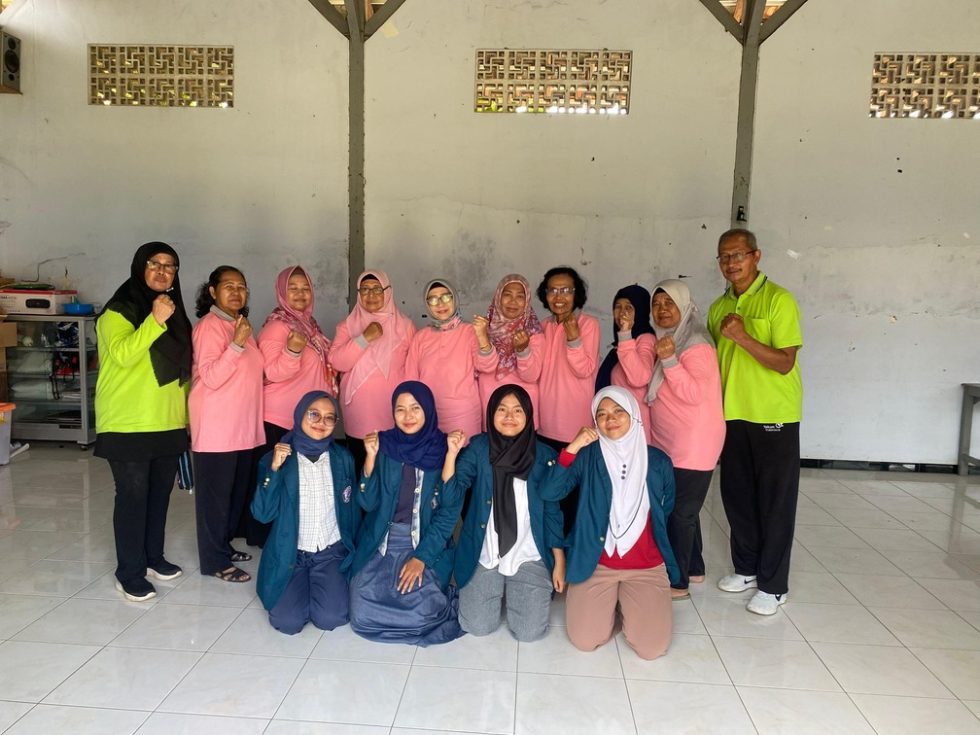
Kemambang Village, Banyubiru District, Semarang Regency, Central Java, is now the site of an epic transformation initiated by the Diponegoro University KKNT Team 167. This isn’t just a regular work program, but a cool mission with the ambitious vision “Net Zero Emission of Sitaring Tourism Village”. More than just a physical installation, this is a massive empowerment movement that integrates Solar Power Plants (SPPs) and holistic waste management. The aim is to revitalize homestays and campsites, raise collective awareness of renewable energy, and establish Sitaring Tourism Village as a beacon of sustainable ecotourism in Indonesia.
The main pillar at the heart of this program is the implementation of solar power plants. Science Team 4, an integral part of KKNT Team 167, is strengthened by the intelligence of Febryana Mega Susanti and Rahmalia Izza Fathnia. Febryana bears a monumental responsibility in designing and arranging the complex wiring paths for the solar power plant’s load, connecting the prayer room, gazebo lights, garden lights, and even the camping ground and sitaring cafe areas to the solar energy network. Rahmalia acted as a nimble right-hand in the process of installing the solar power system, actively participating in removing cables, measuring, cutting cables, stripping battery cables, and installing batteries and balancers. Their excellent collaboration ensured that the output, a solar power system installation in Sitaring Tourism Village, not only functioned optimally but also revolutionarily increased residents’ awareness of the importance of transitioning to environmentally friendly electricity, offering energy independence and reducing reliance on conventional energy sources.
This KKN program also ventured into waste management with unexpected innovations, transforming waste into valuable assets. The SAINTEK 1 group from KKNT Team 167 made a splash with the Mitra Waste Bank empowerment program, focusing on recycling household waste into environmentally friendly and economically valuable products. Malika Pintanada Kaladinanty demonstrated the process of saponifying used cooking oil into solid and bar soap, guiding residents from collection to the molding of valuable soap. Deas Oky Pratama introduced a revolutionary solution for maggot (BSF larva) cultivation as an organic waste decomposer and livestock feed source. Sheva Risga Tristarini captivated residents with her training on making ecoprint fabric using local leaves and natural dyes, transforming waste into works of art and creative economic opportunities. Meanwhile, Ratna Rizky Septiani presented a sustainable agriculture solution by creating liquid organic fertilizer from kitchen waste, and Faiz Haidhar Kautsar taught candle making from used cooking oil, providing an economical and environmentally friendly lighting alternative.
The SAINTEK 3 group from KKNT Team 167, focusing on the transformation of inorganic waste, demonstrated boundless creativity. Chanda Yulia Rahma led the creation of bracelets from used instant drink packaging, demonstrating the process of transforming waste into fashionable accessories. Almira Triananda Putri created stunning necklaces and crowns from used detergent and soap packaging waste, while also explaining the potential for eco-friendly businesses. Veronica Kinanthi Cogan Timur teaches display space arrangement as a storytelling medium, showcasing the visualization of the waste processing process. Zahra Ulya Hakim contributed by making brooches from used plastic bottle caps and scraps of fabric, raising awareness about waste utilization. Antonia Anetha Binar Bulan attended as an educator on chemical analysis and the environmental impact of inorganic waste, explaining the chemical composition and dangers of waste, and scientifically educating on the urgency of recycling.
Household health innovation is also a concern with the presence of SAINTEK Group 2 from KKNT Team 167. Nurika Nazilatul Ilmi demonstrated the making of natural disinfectant from betel leaves and lemongrass, as well as vinegar or lime juice, and taught Posyandu cadres safe usage and storage. Nisa Eka Rahmania also participated by teaching how to make healthy homemade processed foods like tempeh and cassava tape, introducing nutritious fermented foods and how to serve them to families, and empowering mothers in maintaining family health.
Finally, the social empowerment pillar was launched by the SOSHUM Group of KKNT Team 167, which focuses on strengthening the Tourism Awareness Group (Pokdarwis) for sustainable ecotourism management. Shofiyah Nur Azizah provided financial record management training for Wisata Sitaring, assisting the Pokdarwis in managing revenue from the cafe, homestay, and camping ground in an orderly and transparent manner. Nabila Qurrotu Aini is tasked with creating an attractive and informative leaflet about the potential of the village as a tourist destination.