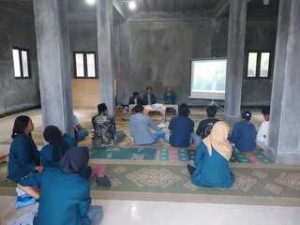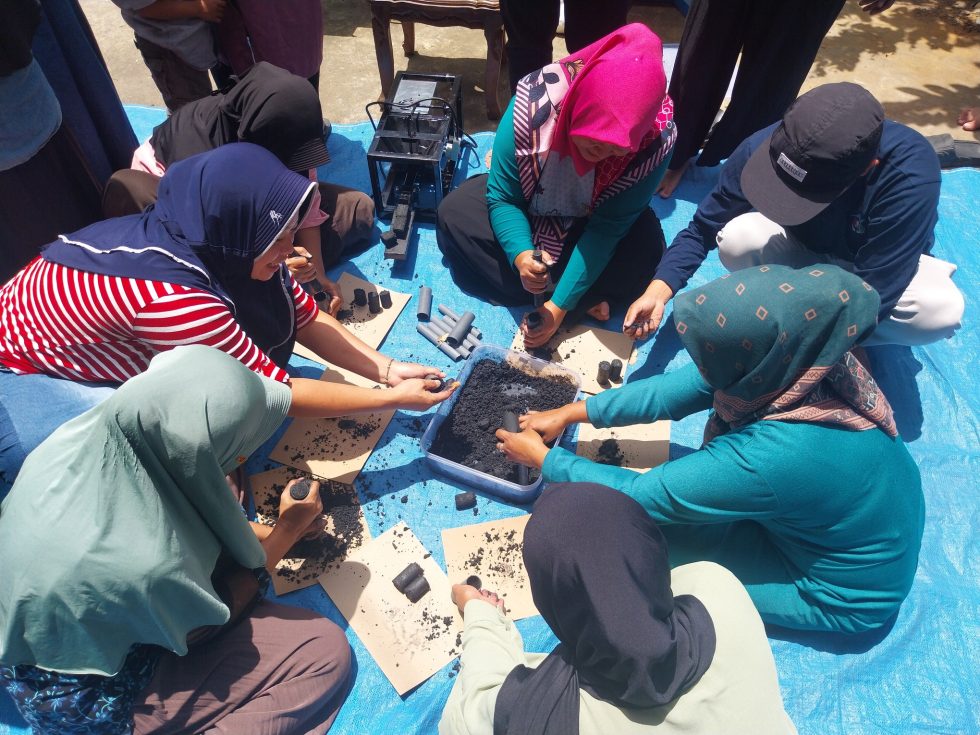
Banyubiru, Semarang Regency — The Thematic Community Service Program (KKNT) Team 167 from Diponegoro University initiated concrete steps to support the clean energy transition and village energy independence thru a program titled “Energy Independence Strategy by Combining Solar Power Plants and Agricultural Waste Bio-Briquettes,” which was implemented in Kemambang Village, Banyubiru District, Semarang Regency.
This program focuses its main activities on training in the production of bio-briquettes made from agricultural waste such as straw and husks. Waste that has not been optimally utilized until now is being transformed into environmentally friendly solid fuel as an alternative to firewood and LPG. Thru live training sessions, the residents of Kemambang Village were taught the entire briquette production process, from raw material processing, mixing with natural binders, molding, to the drying process. “This bio-briquette is an alternative fuel to replace firewood and LPG, which is not only cheap but also environmentally friendly and empowers local agricultural waste,” said Malika, a member of the KKNT Team 167 UNDIP. He added that the potential for agricultural waste in Kemambang Village is very high and worthy of being developed as a sustainable alternative energy source.
In addition to bio-briquette training, the KKNT team also provided additional education on the utilization of solar energy through Solar Power Plant (PLTS) technology. This socialization aims to introduce the concept of solar energy as a cost-effective, clean source of household electricity that supports a sustainable lifestyle. PLTS was also highlighted as an added value in the development of the energy tourism area around the Sitaring PLTS route. This activity was enthusiastically received by local residents who actively participated in every training session. Some residents even expressed interest in continuing briquette production independently and turning it into an environmentally friendly micro-business opportunity.