
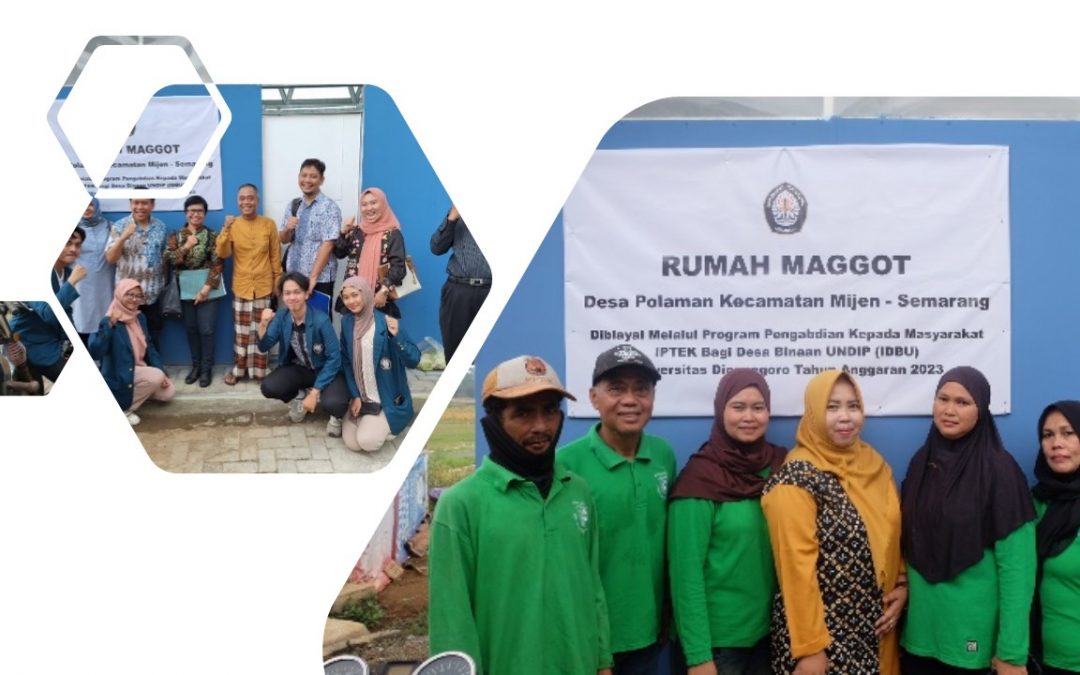
Polaman Village, Mijen District, Semarang, is a real example of how technology-based innovation can be integrated into community life to create sustainable solutions. Thru the Diponegoro University (Undip) Science and Technology for Mentored Villages program, the community of Polaman Village is empowered to process organic waste using the bioconversion method with maggots. Thru this IDBU activity, it explains how this step becomes a real manifestation of the implementation of the Green Circular Economy, while also producing a useful product in the form of alternative animal feed.
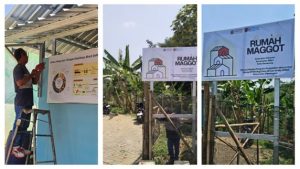
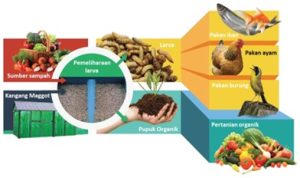
Organic waste is often a major problem in many villages, including Polaman Village. Poorly managed waste piles not only pollute the environment but also become a source of disease. Black Soldier Fly (Hermetia illucens) maggot or larva bioconversion offers a practical and innovative solution. In this process, maggots are used to decompose organic waste, such as food scraps and kitchen waste. Maggots have the ability to process organic waste quickly and effectively, converting it into high-quality organic fertilizer and nutrient-rich maggot biomass.
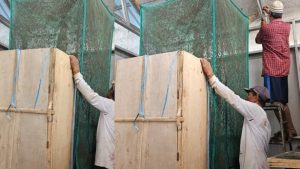
This program began with educating the community about the importance of organic waste processing and the benefits of maggot bioconversion. With guidance from the Undip team, the community received training ranging from waste management and maggot cultivation to techniques for producing animal feed from maggot biomass. In addition to training, the program also introduced supporting technologies, such as organic waste fermentation tools and environmentally friendly maggot cultivation cages. This approach not only enhances community skills but also provides a direct economic impact thru the production of alternative livestock feed.
The head of the IDBU service team, Siswo Sumardiono, stated that this program not only focuses on environmental solutions but also on increasing community capacity. We want the people of Polaman Village not only to be able to manage waste independently but also to experience its economic benefits. By adopting maggot bioconversion technology, communities can become pioneers in implementing a Green Circular Economy at the village level,” Siswo explained. Meanwhile, IDBU team member Hermawan Dwi Ariyanto added that collaboration between academics and the community is very important in creating relevant innovations. Thru a systematic and educational approach, we hope that the public will not only understand this technological concept but also be able to develop it sustainably. “We believe Polaman Village can be an example for other villages,” said Hermawan.
The head of the Polaman Resik Sejahtera Waste Bank Partner, Haryono, expressed his appreciation for the program. He emphasized that this program is a significant step for the village in managing organic waste independently. “We are very helped by this program. Not only does it provide a solution to the waste problem, but it also opens up new business opportunities for the community. With the presence of maggots, we can process organic waste into something of economic value, such as animal feed and fertilizer. This is a very positive change for Polaman Village,” concluded Haryono. He also hopes that this program can continue to be developed so that the community can become more independent in waste management while also supporting the village economy.
The community empowerment program in Polaman Village thru maggot bioconversion is not only an innovative solution for organic waste management but also supports the development of a sustainable local economy. Ultimately, the bioconversion process can reduce the volume of organic waste by 70-80%, reducing the burden on landfills.